





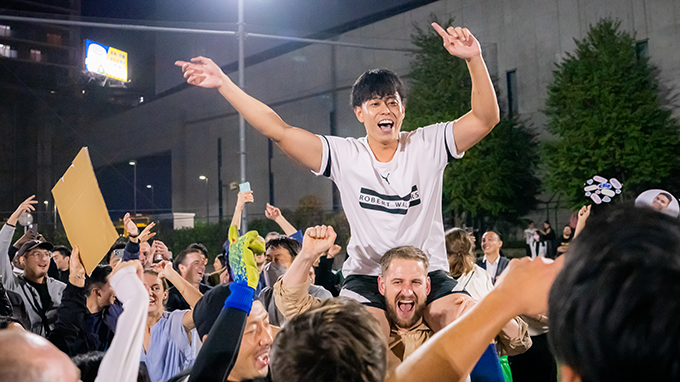

BCCJ Roundtable Breakfast: Executive Briefing on the Global Talent Landscape
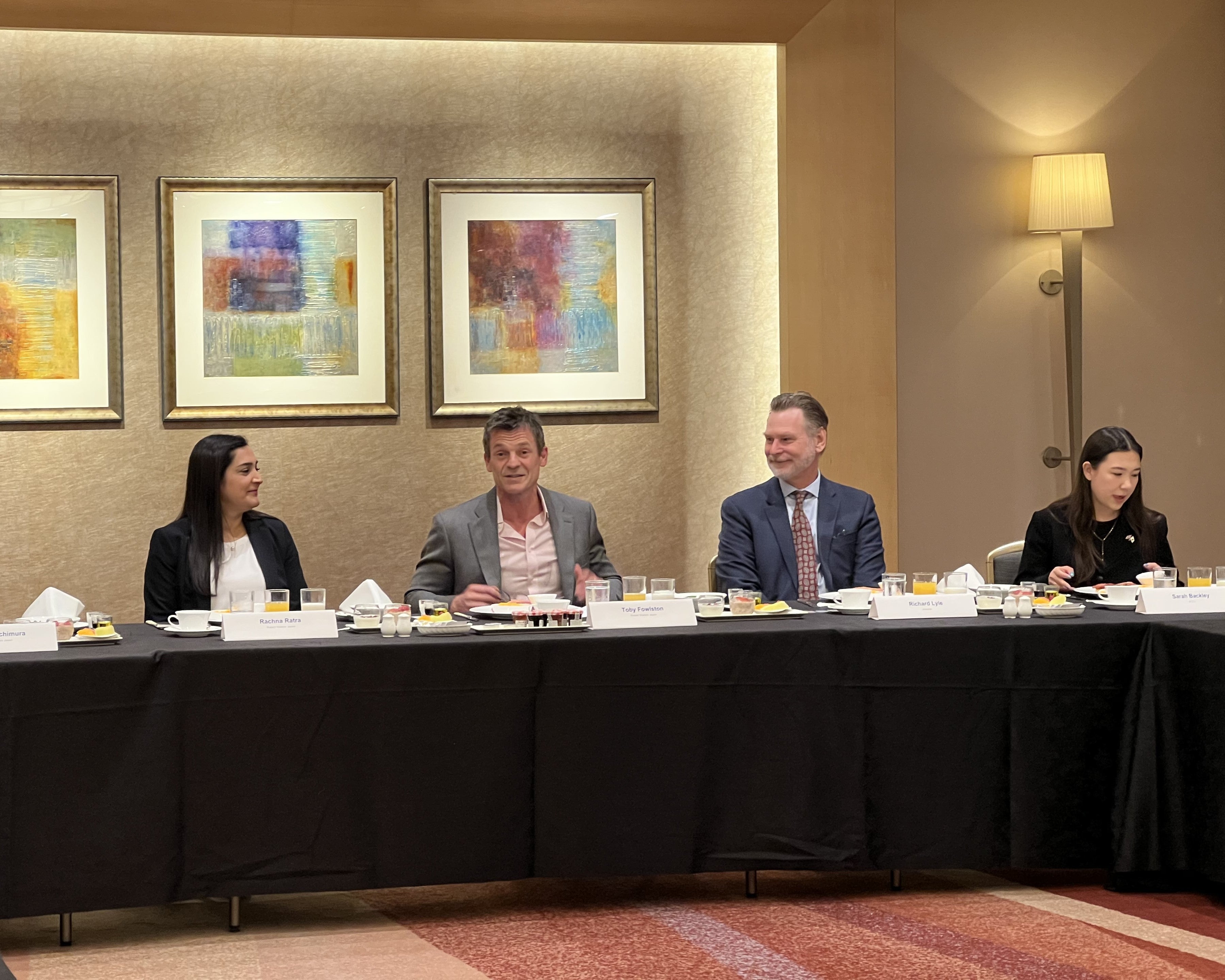
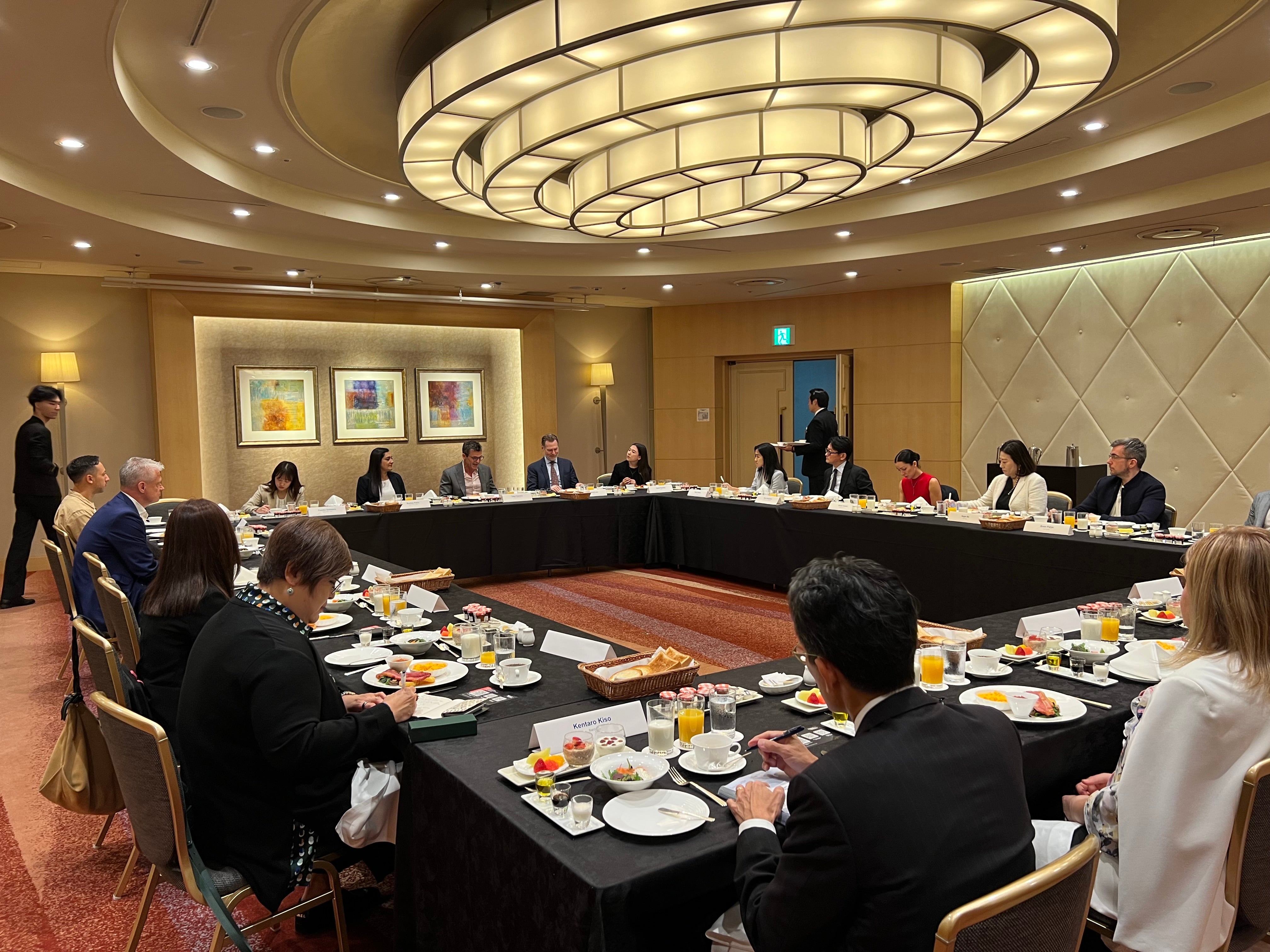
On 14th May 2026, Robert Walters Japan, in partnership with the British Chamber of Commerce in Japan (BCCJ), hosted an exclusive Executive Roundtable Breakfast at ANA InterContinental Tokyo. This closed-door event brought together 20 senior executives spanning industries including technology, automotive, finance, education, and FMCG. Led by Toby Fowlston, Global CEO of Robert Walters, alongside Rachna Ratra, Managing Director of Robert Walters Tokyo office, the session fostered candid discussions on navigating talent challenges in uncertain times.
The morning began with opening remarks from Sarah Backley, Executive Director of the BCCJ, and keynote insights from Toby Fowlston. Toby shared his global perspective on workforce trends across 29 countries where Robert Walters operates, highlighting Japan as a flagship market experiencing growth despite global uncertainties. He noted that organisations worldwide are increasingly seeking more flexible, integrated talent solutions, moving beyond traditional hiring to a mix of permanent, contract, and outsourced models supported by real-time market intelligence. In response, Robert Walters has evolved its offering to provide broader talent advisory and workforce solutions, helping clients navigate complexity and make more informed, strategic decisions around their people.
Key takeaways from the roundtable
1. Workforce strategies must move beyond hiring to “total talent thinking”
Toby highlighted that organisations today are no longer simply making hiring decisions, but are instead navigating a broader set of workforce options including permanent hiring, flexible talent, outsourcing, and consulting support.
Several organisations stressed the importance of moving toward a “capability-first” approach, shifting focus from headcount to overall workforce effectiveness. This includes reassessing which functions should be built internally versus accessed externally, allowing for greater agility in uncertain market conditions.
2. Traditional hiring models are being challenged in Japan
Rigid and highly standardised hiring approaches are limiting organisations’ ability to access the talent they need, particularly in a market characterised by acute skills shortages.
In response, organisations are beginning to rethink how they attract talent by:
- Building early pipelines through partnerships with education institutions
- Tapping into underutilised talent segments, including experienced professionals beyond traditional retirement age and those seeking non-linear or flexible career paths
- Taking a more proactive approach to hiring through early engagement with candidates, such as informal conversations and relationship-building ahead of hiring needs
These approaches signal a broader move toward more flexible, relationship-driven talent strategies in Japan.
3. AI is reshaping workforce design, and requires a clear strategic approach
Toby emphasised that growing uncertainty and transformation, particularly around AI adoption, are making it harder for organisations to define the right workforce solutions.
AI was widely discussed as more than a productivity tool, with increasing recognition that it will fundamentally reshape how work is structured.
Organisations are beginning to:
- Define which capabilities are core and must remain in-house
- Invest in upskilling across the business, recognising that AI adoption is not limited to technical teams
- Treat AI as an extension of the workforce, requiring integration into broader human capital strategies
- Reinforce that human expertise remains critical, with the effectiveness of AI dependent on users’ subject matter knowledge and ability to apply it appropriately
In Japan, organisations are currently applying AI in targeted, task-specific ways—such as summarising information, generating materials, or supporting day-to-day workflows—reflecting an early-stage, practical approach to adoption.
4. Retention is becoming a strategic priority, not just an HR concern
While hiring remains challenging, participants agreed that retaining talent, particularly mid-career professionals, is becoming equally critical. Toby noted that globally, workforce expectations are shifting, with increasing demand for flexibility and alternative ways of working.
With five generations now active in the workforce—and soon six—organisations are also navigating increasingly diverse expectations around career progression, purpose, and work-life balance. Younger employees are placing greater value on environments where they feel empowered to shape their careers rather than follow rigid hierarchies.
Organisations are responding by:
- Introducing greater flexibility in working models to support different life stages and preferences
- Providing cross-functional exposure and opportunities, including across sectors, to broaden employee experience and engagement
- Designing more personalised and purpose-driven career paths, enabling individuals to define their own progression
- Involving senior stakeholders earlier in the interview process to assess long-term potential and cultural alignment
For organisations operating across multiple industries, offering exposure to different sectors and breaking down traditional perceptions of career paths was highlighted as a particularly effective way to engage and retain talent.
5. Leadership expectations are evolving, and require new approaches
The discussion highlighted a growing reluctance among some employees to take on traditional leadership roles, often due to workload intensity and changing lifestyle priorities.
There was also recognition that employees are no longer motivated by fixed leadership models, but instead are seeking greater agency in how they define and experience leadership.
To address this, organisations are:
- Redesigning leadership roles to be more sustainable and flexible
- Offering project-based or distributed leadership opportunities
- Encouraging employees to shape roles around their individual needs and circumstances, empowering them to define what leadership looks like for them
This shift is helping organisations build leadership pipelines in a way that aligns with modern workforce expectations, while making leadership roles more accessible and attractive to a broader range of talent.
6. Is Japan ready for global talent?
As organisations look to internationalise their workforce, the discussion also raised an important question: Is Japan fully ready to attract and integrate global talent?
Participants highlighted a growing disconnect between ambition and execution.
Many organisations express a desire to become more global, but structural and cultural barriers remain, particularly in education pathways and hiring processes. There was also a sense that families and young talent are navigating mixed signals. While global exposure is increasingly valued, some continue to default back to traditional routes due to uncertainty around how alternative career paths are perceived by employers.
There was a shared sentiment that organisations must take a more innovative and flexible approach to hiring in order to attract and integrate a wider range of talent. At the same time, participants highlighted the need for education systems to evolve, developing individuals who can think globally, navigate between cultures, and confidently contribute their perspectives in increasingly diverse and dynamic workplaces.
Conclusion
The Executive Roundtable reinforced that workforce strategy is no longer a standalone function, it is a central driver of organisational resilience and growth.
Organisations that succeed will be those that embrace a broader view of their workforce, balancing technology, cost, and human potential, while remaining adaptable to shifting employee expectations.
Events like this roundtable provide a valuable platform for business leaders to exchange ideas, challenge assumptions, and collectively explore new solutions. Robert Walters looks forward to continuing these conversations and supporting organisations as they navigate the evolving future of work.
Related content
View all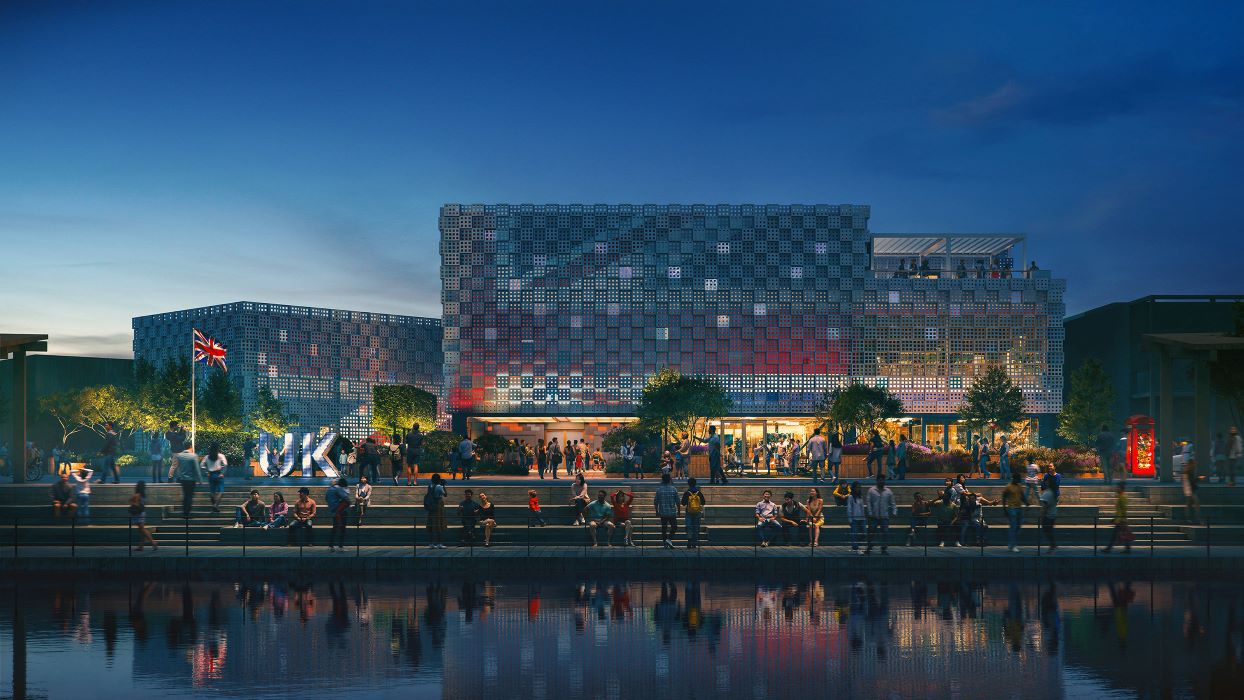
TOKYO, JAPAN - Robert Walters Japan is pleased to announce its sponsorship of the UK Pavilion at EXPO 2025, scheduled to take place from 13 April to 13 October 2025 at Yumeshima, Osaka. This partnership underscores Robert Walters Japan's commitment to advancing innovative solutions for the future of
Read More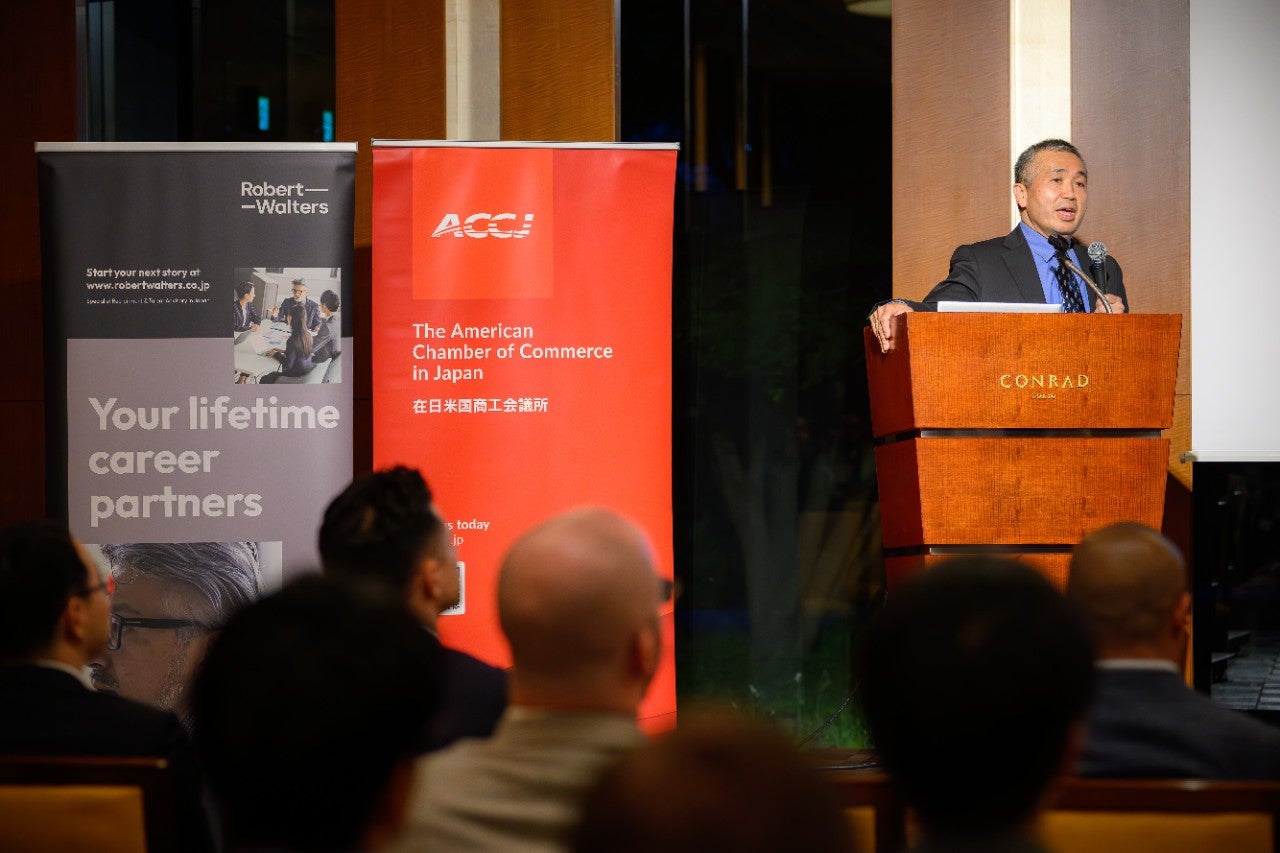
On May 14th, Robert Walters, in collaboration with the American Chamber of Commerce in Japan (ACCJ), hosted a landmark event exploring the future of human spaceflight and commercial space infrastructure. The event featured distinguished speakers from Axiom Space and Astroscale, drawing a full house
Read More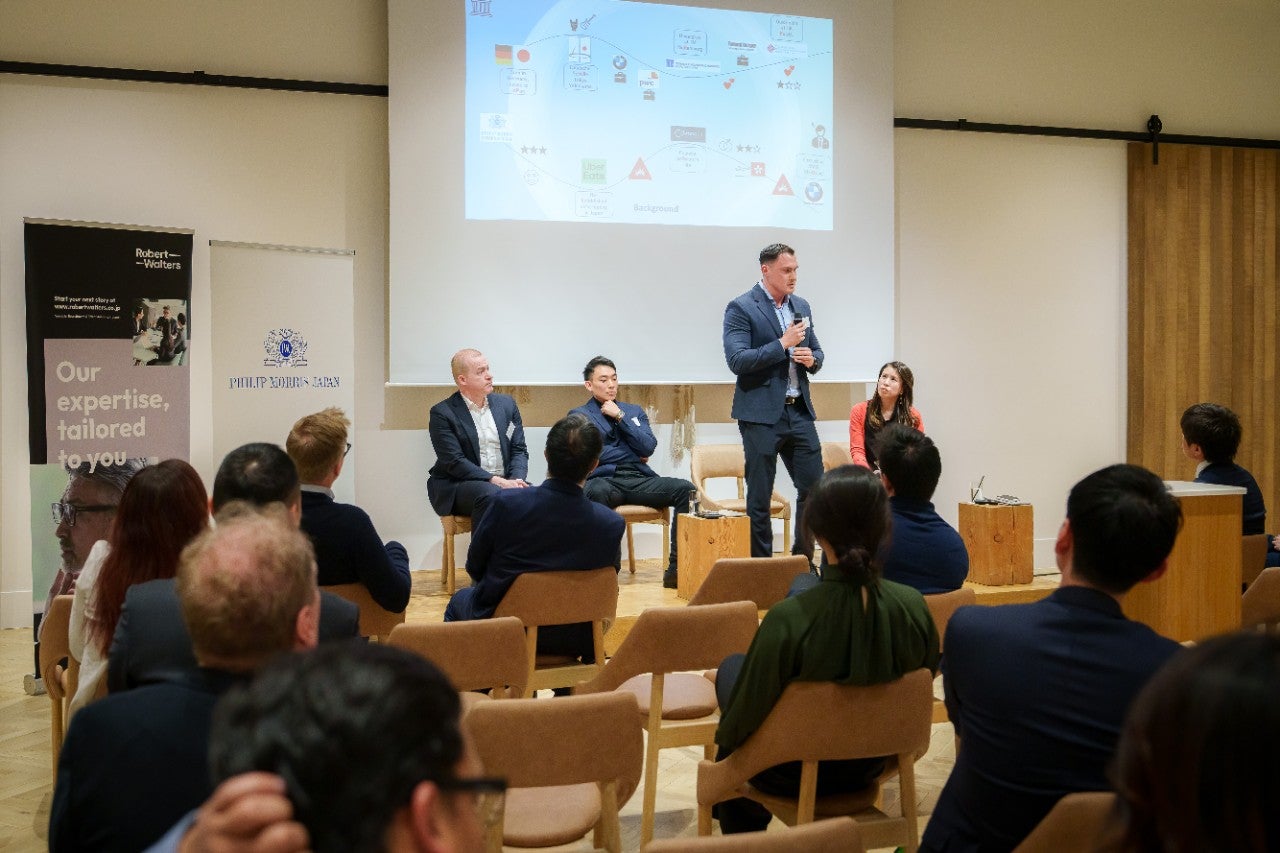
On 2nd April 2025, Robert Walters Japan co-hosted the third edition of the Philip Morris Commercial Leadership Program Seminar & Networking Event, where we were joined by 20 guests who were keen to learn more about the program and culture. Mari Takayanagi, Manager of the P&C Commercial Business Part
Read More