







Climbing the ladder, just not at the same company
Ambitious future leaders are on the move — exposing a growing leadership retention challenge in Japan
- 65% of non-managerial professionals in their 20s and 30s want to become middle managers
- Those most eager to progress into middle management show higher confidence and activity in the job market
- 97% of employers say middle managers are important to their organisation
Tokyo, Japan, 28 April 2026 – One in three (34%) younger professionals in Japan who want to move into management roles and believe that it’s necessary are currently job hunting, according to new findings from global talent solutions partner Robert Walters. Meanwhile, 74% of them say they are confident in their ability to change jobs.
The findings challenge traditional norms of lifetime employment and raise concerns about the stability of organisations’ future leadership pipelines. With 97.3% of employers saying middle managers are indispensable, the very talent organisations are looking to develop into future leaders may also be the most at risk of leaving.
“The Japanese workforce has traditionally been characterised by long-term employment, where career progression typically happens within one organisation,” says Jeremy Sampson, CEO North East Asia & Greater China at Robert Walters. “What we are seeing now is that professionals with the strongest leadership ambition are also the most willing to move companies to achieve it, which poses a further challenge for companies looking to retain their most ambitious talent.”
This shift places pressure on talent pipelines, as the professionals that organisations are investing in today may not be there to step into leadership roles tomorrow. With middle managers playing a critical role in translating strategy into execution, supporting team performance, and bridging leadership with frontline employees, retaining this group is becoming increasingly important.
Middle management still seen as an attractive career step
Contrary to the widely held perception that younger professionals are turning away from management roles, approximately 65% of non-managerial professionals in their 20s and early 30s want to take on the role of a middle manager.
The most commonly cited motivations include the opportunity to influence team direction and organisational strategy (34%) and higher earning potential (30%), suggesting that middle management continues to be viewed as a meaningful and desirable next step, rather than a role to be avoided.
Not all professionals are equally mobile
While interest in management roles is strong overall, not all professionals show the same level of confidence in navigating the job market.
Among those who believe middle management is necessary for career progression but do not wish to pursue it, only 57% say they feel confident in their ability to change jobs, compared to 74% of that those that do wish to pursue management.
Role design remains a barrier
When asked about factors discouraging professionals from becoming middle managers, the most cited response was high stress with limited reward (77%). Other factors include limited decision-making power (9%) and limited creativity (8%).
These perceptions indicate that reluctance towards middle management is less about leadership itself and more about how the role is currently structured and supported within organisations.
Sampson comments, “Many younger professionals observe middle managers carrying significant responsibility without corresponding authority or recognition. That gap can encourage employees to explore other environments where they feel better supported to develop and succeed as managers.”
Rethinking the middle management proposition
Organisations aiming to strengthen their leadership pipeline may need to look beyond training and promotion frameworks alone.
Areas highlighted by the research include:
- Alignment between responsibility, reward, and recognition
- Clearer decision-making authority and autonomy
- Roles that allow managers to contribute to strategy rather than serve solely as operational intermediaries
“Middle managers are clearly valued by organisations, but value alone does not ensure retention,” Sampson concludes. “A certain level of employee movement is inevitable. What matters is whether organisations are creating environments where ambitious professionals can continue to grow, influence outcomes, and be fairly rewarded — because that is what ultimately sustains this critical layer of leadership.”
For media enquiries please contact:
Fumika Uchimura
Senior Marketing & PR Executive, Robert Walters
fumika.uchimura@robertwalters.co.jp
03 4570 1987
Related content
View all
TOKYO, JAPAN - Robert Walters Japan is pleased to announce its sponsorship of the UK Pavilion at EXPO 2025, scheduled to take place from 13 April to 13 October 2025 at Yumeshima, Osaka. This partnership underscores Robert Walters Japan's commitment to advancing innovative solutions for the future of
Read More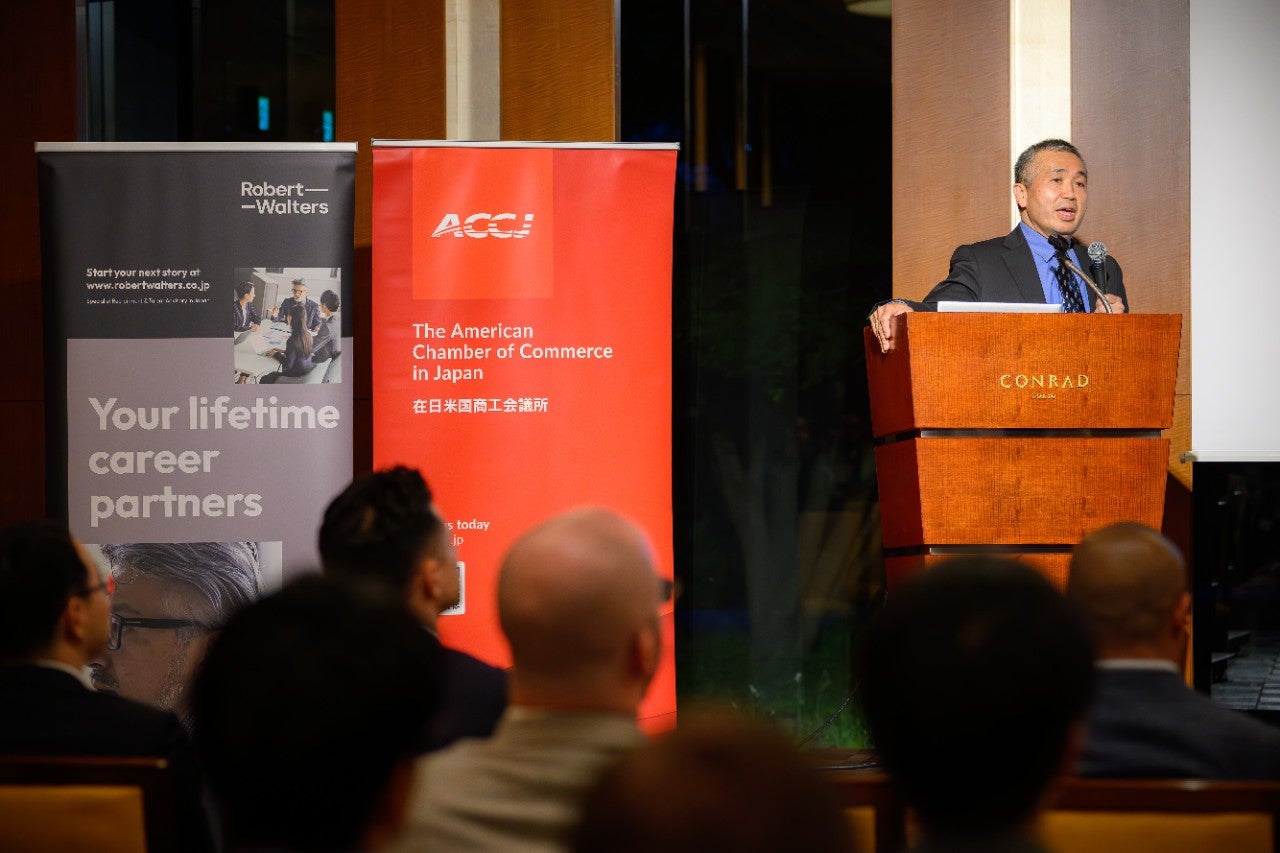
On May 14th, Robert Walters, in collaboration with the American Chamber of Commerce in Japan (ACCJ), hosted a landmark event exploring the future of human spaceflight and commercial space infrastructure. The event featured distinguished speakers from Axiom Space and Astroscale, drawing a full house
Read More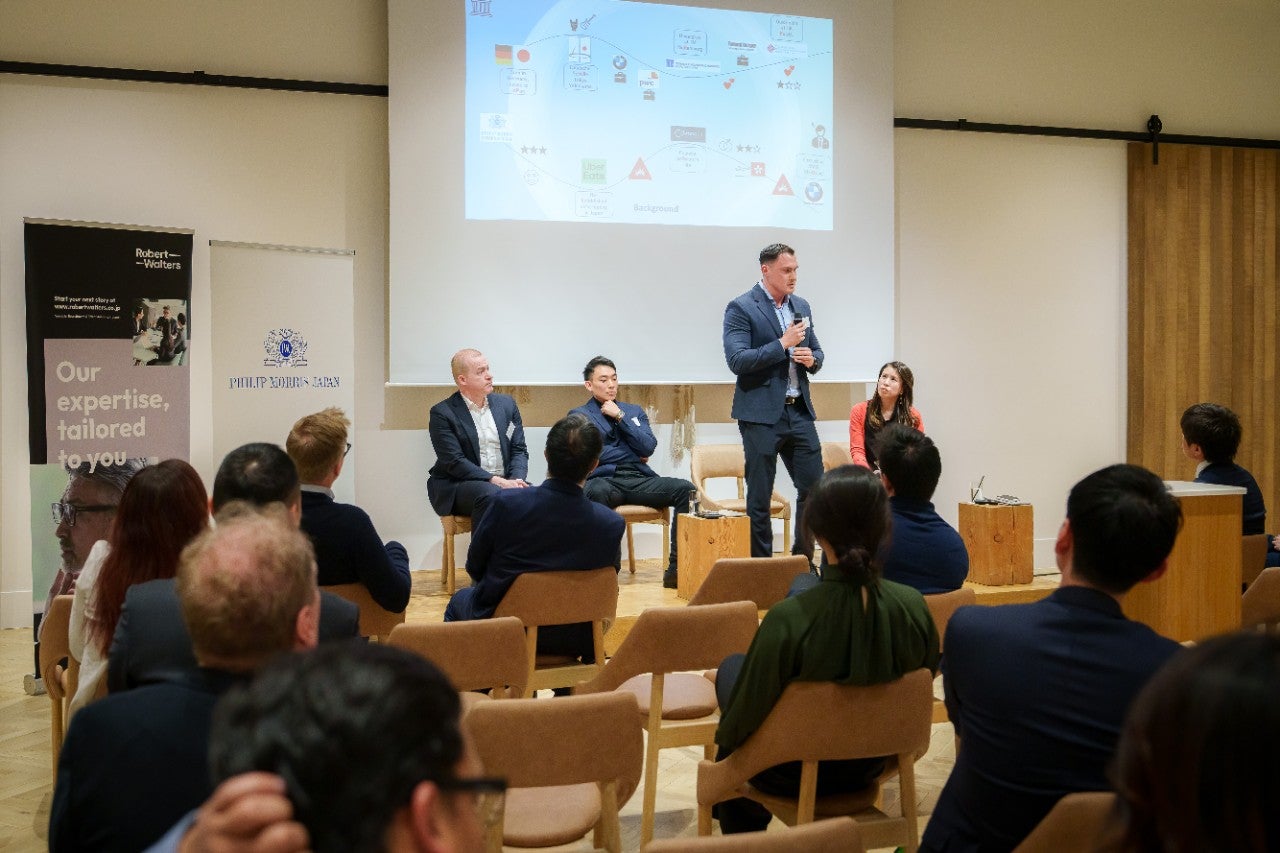
On 2nd April 2025, Robert Walters Japan co-hosted the third edition of the Philip Morris Commercial Leadership Program Seminar & Networking Event, where we were joined by 20 guests who were keen to learn more about the program and culture. Mari Takayanagi, Manager of the P&C Commercial Business Part
Read More